
Le Père de Christy Est Mort.
Another Novakovich exercise. This time the task is to “think about an incident that you avoid remembering—or can’t clearly remember—and write about it.
School was over for the year, yet Christy still wore his uniform — long trousers and blazer now that he was in high school. It was something Father insisted on whenever Christy was travelling alone. And he was travelling alone to Sydney to join his father, who was finalising some business or other — Christy didn’t know what — in the lead up to Christmas. But it was supposed to be a big deal that would make them millionaires and there was supposed to be some sort of celebration and news coverage — maybe even a knighthood, Father had hinted.
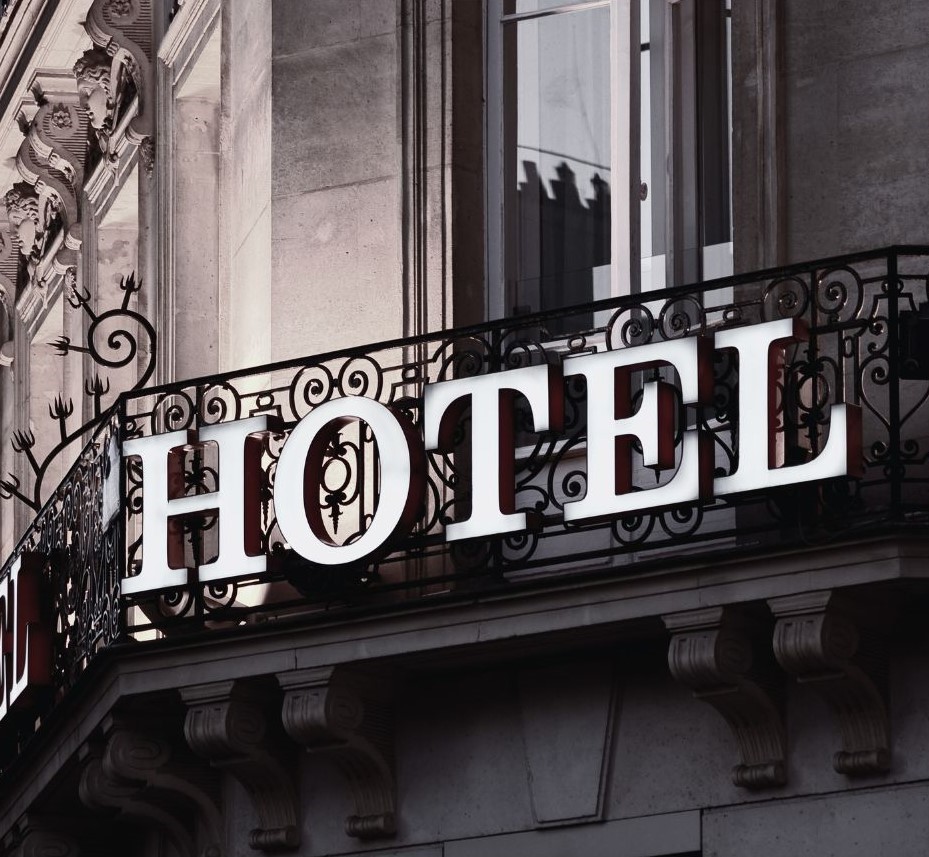
Christy’s father met him at the station with a handshake and they walked the short distance to the hotel, where they would be staying. It was one of those unfashionable, pre-war railway hotels that had a dining room, where the tablecloths and serviettes were starched and a bell would ring each evening to call the guests down to dinner.
The room Christy and his father were staying in was small, with two single beds and a narrow window overlooking George Street. It had a free-standing wardrobe. There was one bathroom for the men and boys that served the whole floor and another for the women.
At six that evening, the bell rang. Christy, still in his uniform — as the men and boys were required to wear jackets — went downstairs for dinner. It was roast beef with vegetables and gravy. To follow, there was ice cream and topping. Christy had the strawberry topping. It was the sweetest and still his favourite. The ice cream came with a triangle of plain wafer.
Christy and his father did not speak much during dinner. Christy was born when his father was already old—over fifty — and the gap between them had widened during years of Father’s travel, boarding school, and — though Christy was unaware of it at the time — his parents’ separation.
After dinner, they went back to the room. Christy went to the bathroom to brush his teeth, returned, kissed Father goodnight and went to sleep.
Boarding school life had drilled Christy into waking up at 6:25 AM. By 6:30, boys had to be out of bed and on their way to the shower with towel and wash kit. Father must have already gone, he thought, as Father’s bed was empty. Routinely, Christy rose and headed for the communal bathroom.
The familiar bleach smell of boarding school bathrooms met Christy as he entered. Turning left toward the showers he saw Father was lying on his back on the cold, tiled floor. Father was not moving. Christy took in the unseeing eyes, the blue lips, the grey pallor.
His heart quickened. He had learned about this at school. There was a routine. Roll up a towel. Placed it under the neck and shoulders. Tilt the head back. Check the airways. Place hands on chest, fingers raised. Fifteen compressions. Clamp nose. Inhale. Place lips over mouth and prepare to exhale.
That was as far as he got before the grown-ups burst in. That was when Christy panicked. As they dragged him, struggling, back to his room, he was still shouting — the tears now coming — “But we are life savers!”
It was true. Christy had earned his Bronze Medallion from the Royal Lifesaving Society that year. He was, indeed, a life saver — but not that day. After that, the sharpness of memory begins to fade.

 Sunburnt Speculations
Leave a comment